Insights and Commentary
Tracking India's transformation at the intersection of her political economy, youth bulge and tech transformation.
Why Is Graduate Unemployment 17% in Tamil Nadu and 33% in Telangana?
An analysis of graduate unemployment in 31 states and Union Territories
Did Liberalisation Open Up Work for India's Women?
Between 2004-05 and 2017-18 the share of Indian women in work fell by almost half. Most of the return since then is women over 30, and most of it is farm work.
IT Sector Helped Build the Indian Middle Class. For Its Workers, It Is Starting to Sputter.
Software exports have doubled since 2017-18. Since 2023-24, jobs, pay and labour's share of the value the sector adds have fallen.
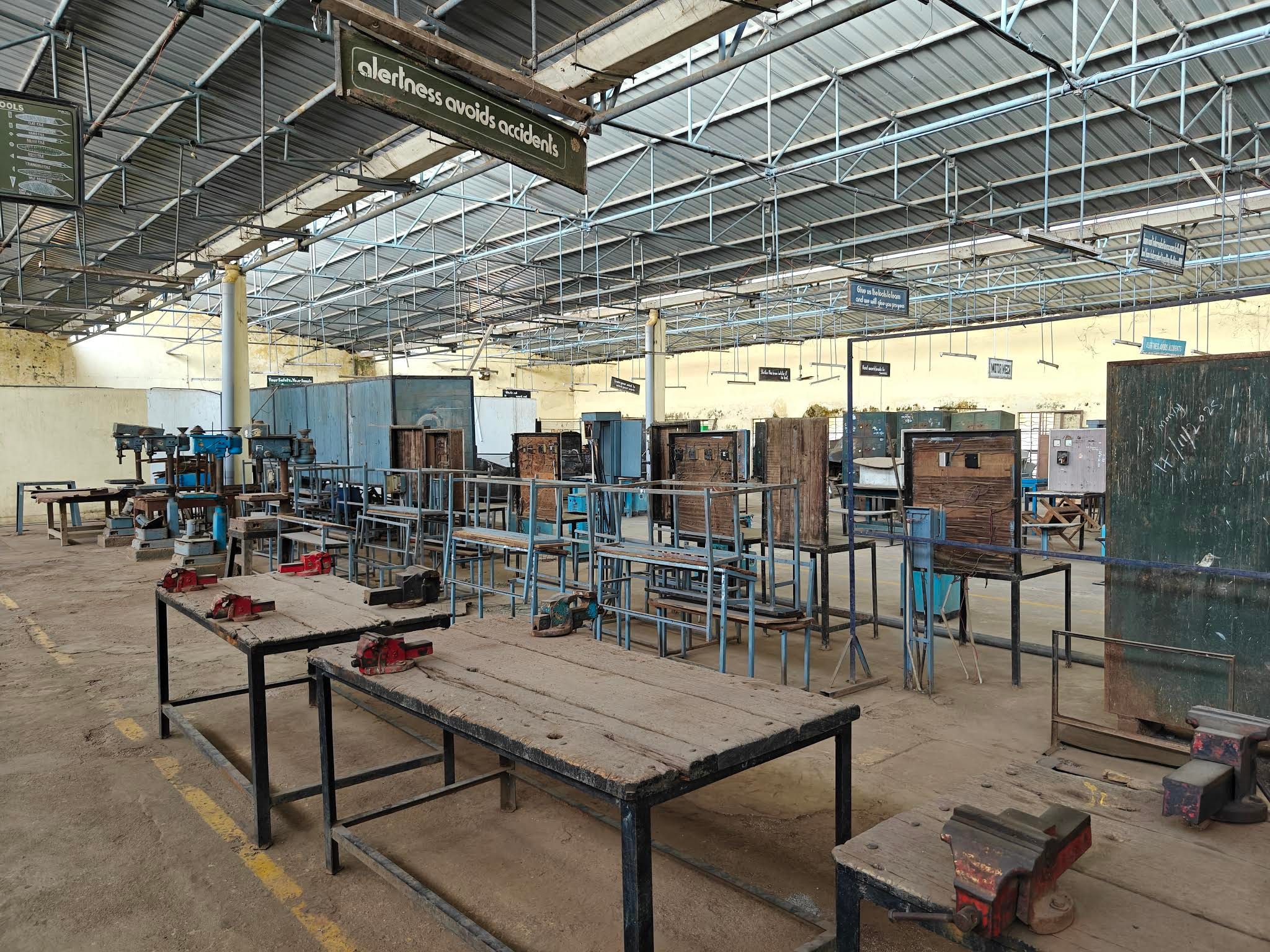
Indian Democracy Has an Aspiration Problem
We have ratcheted up aspiration faster than the means to achieve it
Who is middle class in India, and why do they feel squeezed?
Only 6.6% of Indian workers earn a middle-class salary and the salary buys less than it once did.
Andhra Pradesh: unemployment is 3% among the school educated and 41% among graduates
Findings from the Andhra Pradesh Handbook of Youth Opportunity, which scores all 26 districts of the state.
The uneven landscape of graduate unemployment across Indian states
Unemployment among young graduates is more than double the rate for young people as a whole. Explore how education, employment and pay vary across states.
Rajasthan youth eager to work, but 39% of working youth in unpaid work
Findings from the Rajasthan Handbook of Youth Opportunity, which scores all 41 districts of the state.
How the economy's shape changed
85% of India's workers are in sectors where the median pay is ₹15,000 a month or less. Growth did not create better jobs.
The fraying promise of post-liberalisation India
We made good jobs synonymous with college degrees, but degrees are delivering neither jobs nor better pay.
Democracy's Discontents are Increasingly Distributional
Democratic politics must be rebuilt around fair opportunity and equal voice
The Politics of “Data”
The same number can mean opposite things in two districts. Its meaning is local, and reading it well is what representation is for.
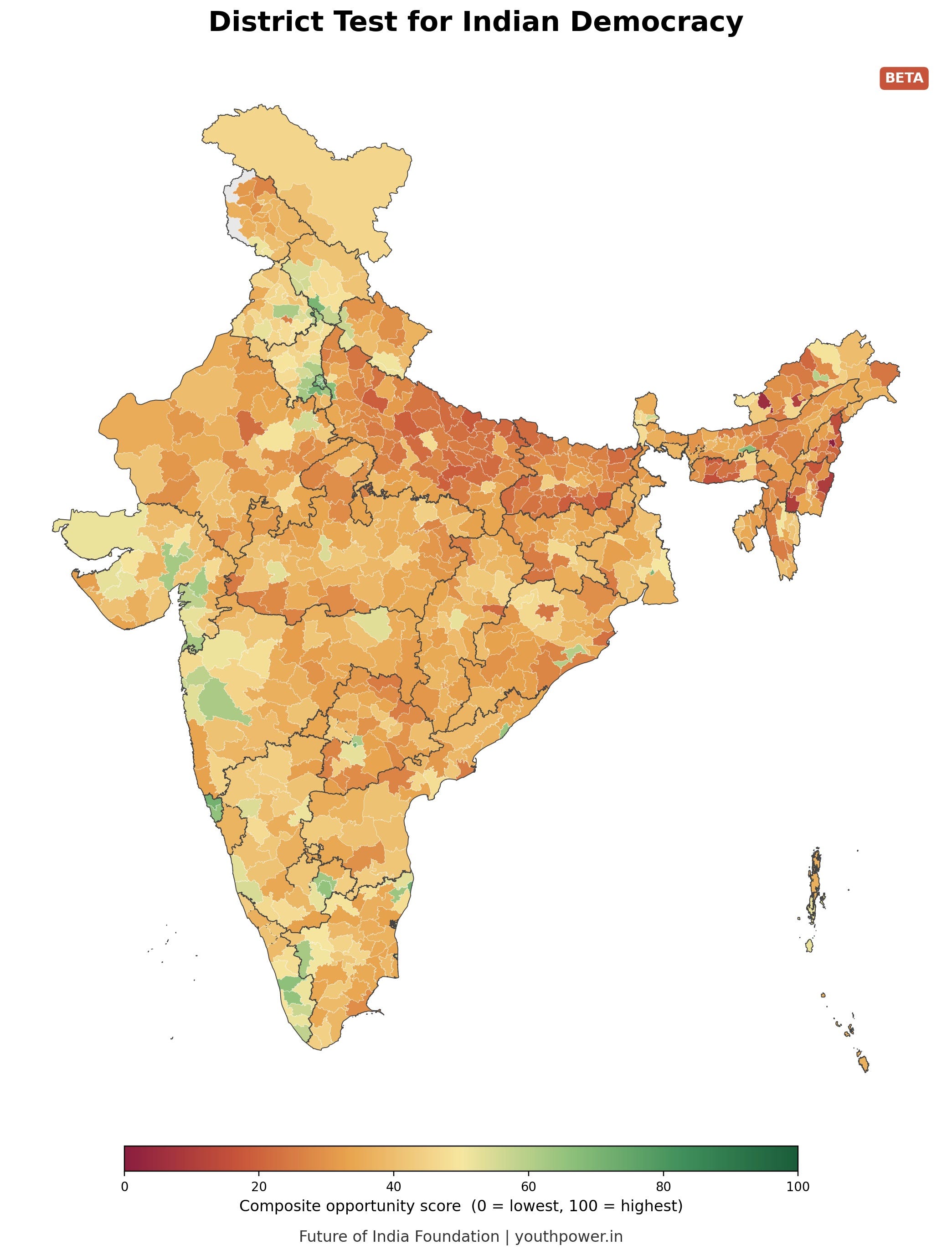
The District Test for Indian Democracy
A new framework for measuring democracy where people actually live, in India and beyond
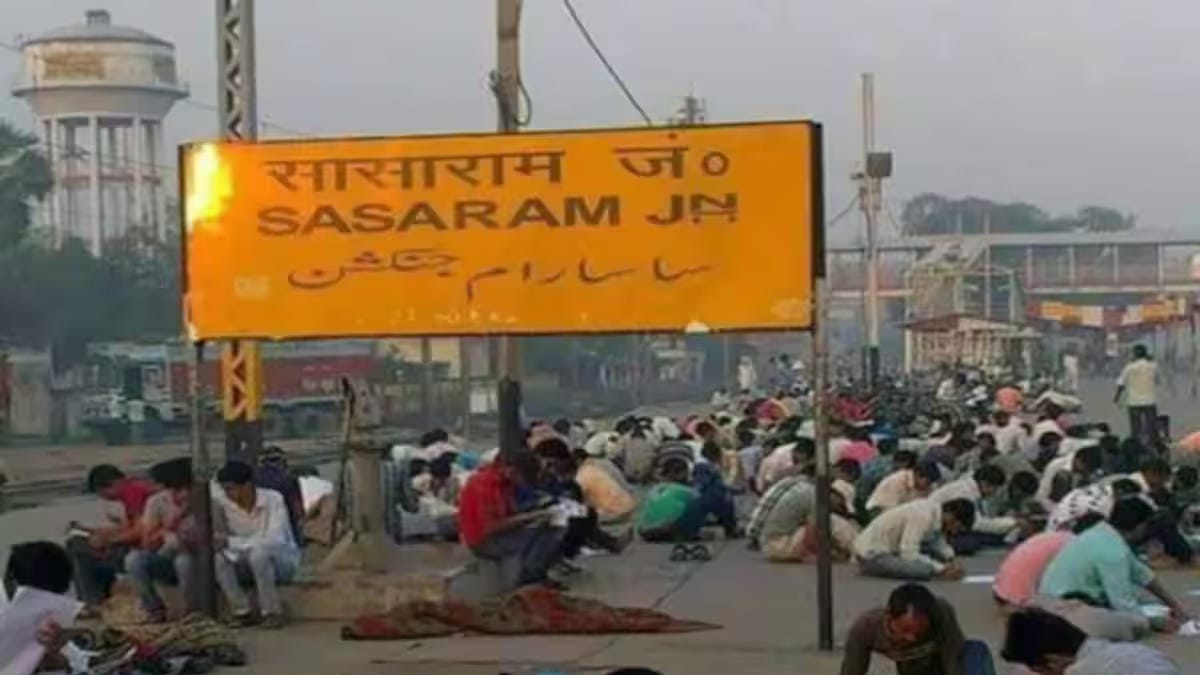
What can an MP or MLA do for youth? A lot, actually.
A shared minimum civic guarantee for youth at the district level — and the local levers every elected representative already holds to meet it.
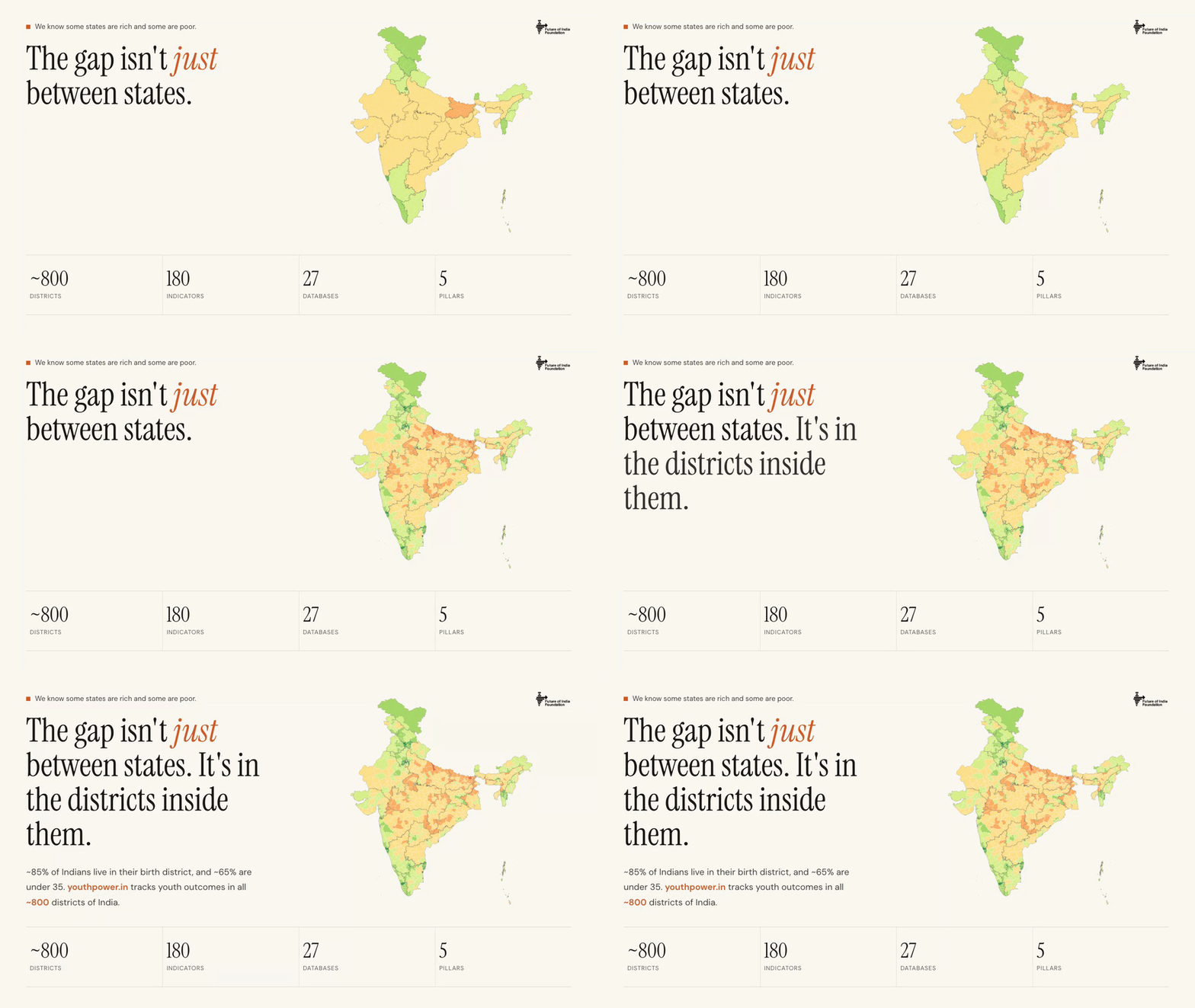
Most Indians live in the district where they were born
India can't rely on aggregate state and national numbers — we have to make every single district work.
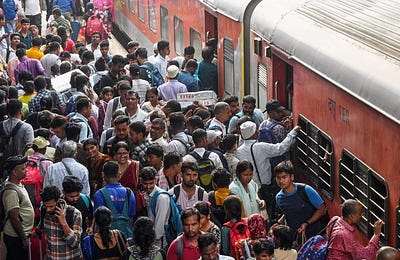
The Everyday Republic: How the State Loses Its People
When the state makes everyday life more burdensome, it loses democratic legitimacy. Citizens experience governance not through policy debates but through daily encounters — accessing rations, navigating police, completing bureaucratic processes. Five structural misalignments explain why the Indian state struggles to deliver on its own promises.
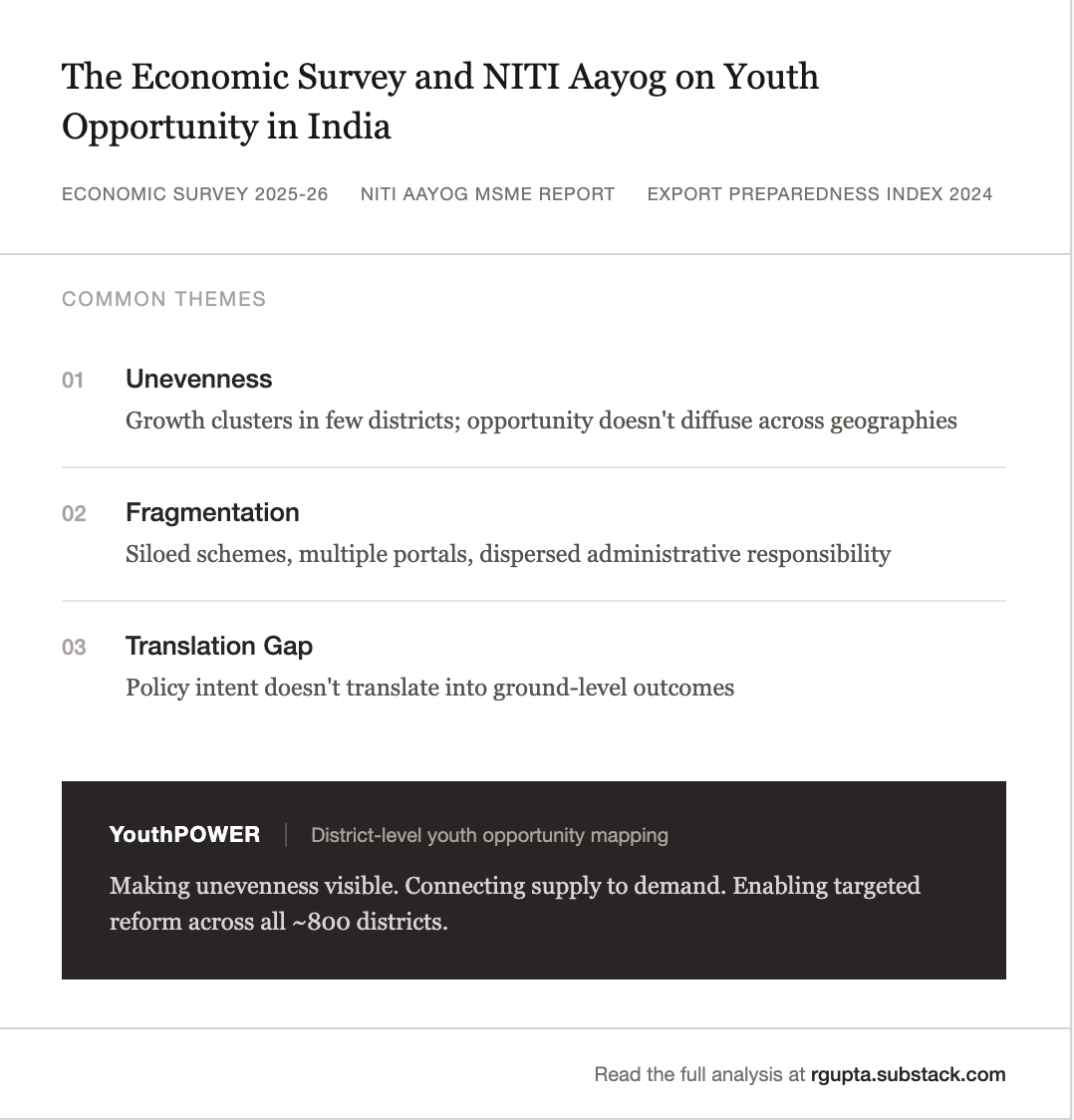
The Economic Survey and NITI Aayog on Youth Opportunity in India
Three recent government reports examine different aspects of India's economy and growth trajectory. Though focused on different policy areas, they collectively reveal "deep unevenness across geographies, sectors, and firms" that shape youth employment outcomes nationwide.
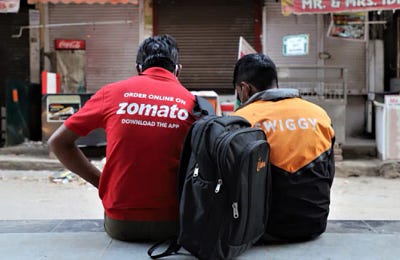
The Summer I Worked at Burger King
What the Gig Economy Debate in India Is Missing. Nearly 25 years ago, I traveled to the United States for university as the first person in my extended family to do so. My parents covered the initial tuition, but I had to become financially independent afterward. This necessity led me to work in American fast-food establishments, including a summer position at Burger King with its famously strict drive-through timer system.
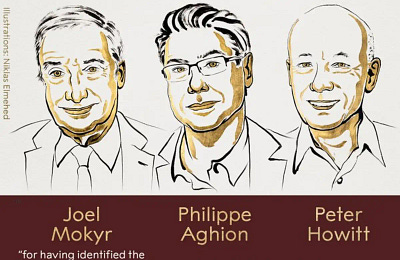
Mokyr's Nobel Poses a Fundamental Question for India - What Kind of Country Does India Want to Be?
Our greatness will not come from cheap labour, vast markets, or scaling technologies invented elsewhere. Joel Mokyr's Nobel Prize in economics raises critical questions about India's future direction. Rather than focusing solely on economic expansion or global competition, the award highlights a deeper issue: whether India can cultivate an ecosystem that encourages and celebrates originality.
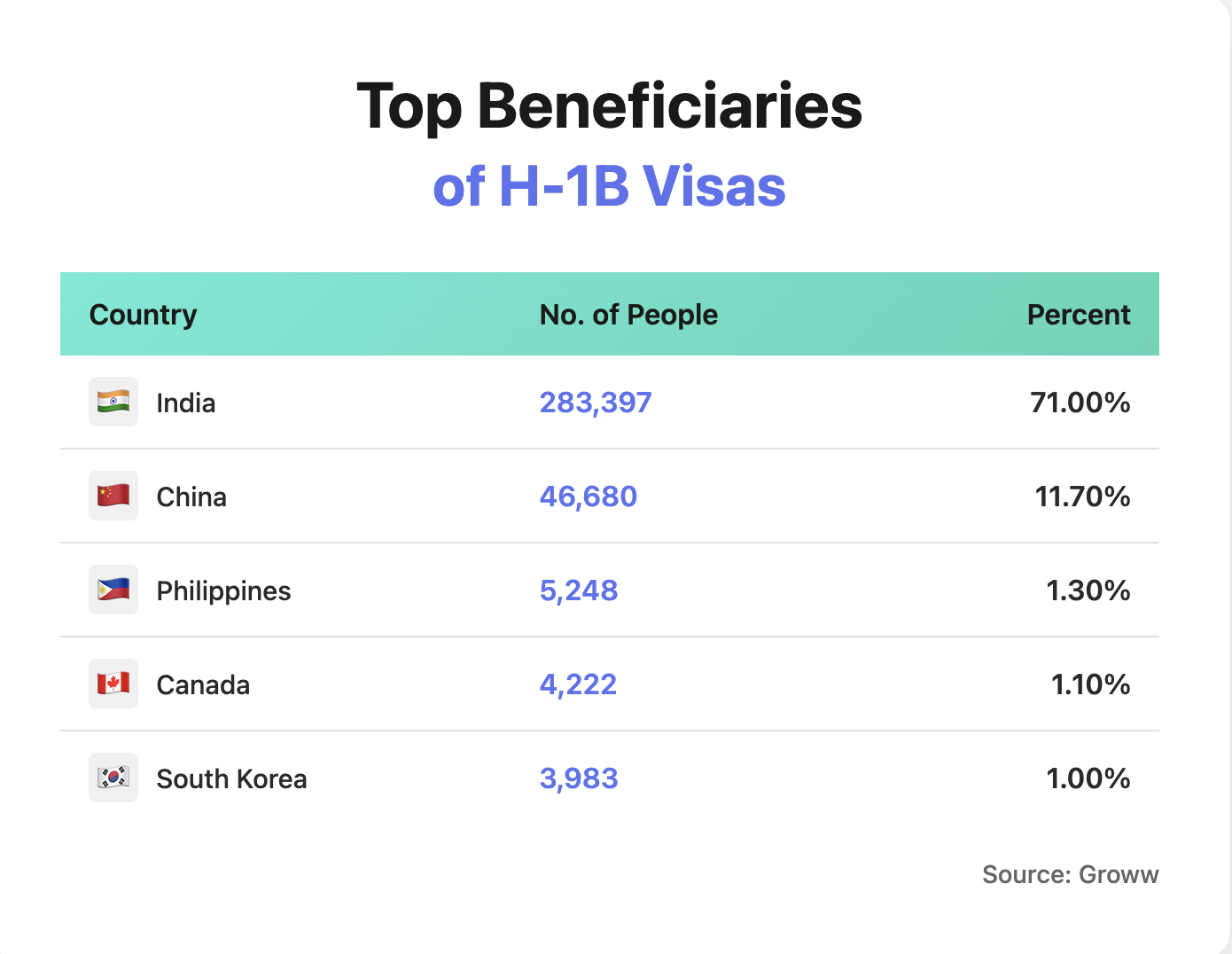
The H1B Paradox: How Brain Drain Became a Symbol of National Pride
No country has become a world leader through the outmigration of its trained talent. The U.S. government's move to impose a USD 100,000 fee on H1B visa petitions has upended many family and career plans. India now faces a critical question: should we continue celebrating our success in exporting talent, or build an economy that creates opportunities at home for our best and brightest?
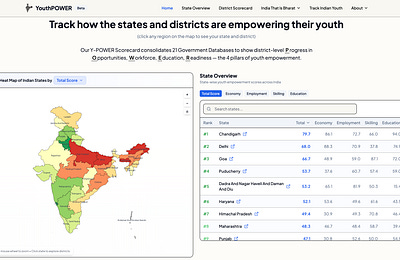
India's Democracy and Development is in its Districts
For the first time, fragmented national data has been consolidated into clear dashboards to track youth opportunity district-by-district. Public life globally feels increasingly fragmented and polarized amid technological and demographic upheaval. India's central challenge: ensuring the nation's young population—65% under age 35—gains meaningful economic and democratic participation.
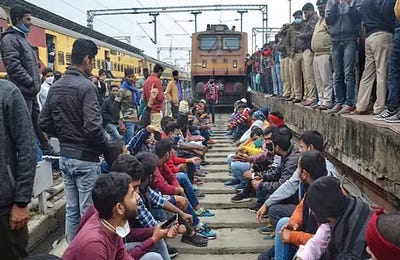
India's job crisis undermines state legitimacy
Unemployment is not merely an economic issue, but a fundamental political challenge that strikes at the heart of how we organise our society. India's inability to generate quality employment for its youth population represents a fundamental threat to state legitimacy rather than merely an economic problem.
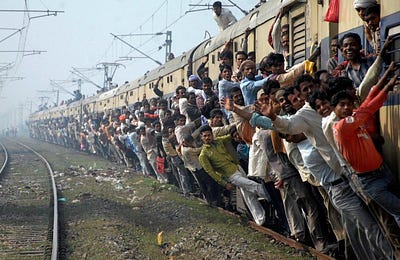
On 70-hour work weeks and nation-building
What is required to foster a sense of national purpose is a visible attempt by our top 10% to give to our country and move everyone forward. Infosys founder Narayan Murthy sparked debate by advocating longer work hours for India's youth, stating they should commit to working 70 hours weekly for national progress.
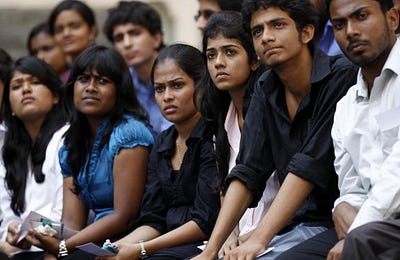
Young India Needs Sense of Purpose Not SOPs
We talk about young people as if they are a species to be studied and managed instead of mainstreaming and engaging with them as the largest stakeholder of our polity. Sixty percent of India's population is under 30 years old, yet meaningful youth participation in shaping the nation's direction remains limited.
Insights from YouthPOWER and columns on India's political economy, youth opportunity and democratic governance, newest first. Subscribe on Substack to receive new pieces by email.