About Us
Making the world's largest democracy work for the world's largest youth population
We track youth opportunity in every district of India and champion its equitable distribution and Good Jobs for all young Indians.
Read our approach (PDF)The problem
Opportunity is concentrated in 10% of districts.
70%of India's economic opportunity is in the top 78 districts; about 5% is in the bottom half.
Without active distribution, it concentrates further.
India's mass economy is low demand and low productivity.
55%of workers in 450 districts farm; only 4% have a salaried job paying ₹20,000+ a month. 99% of enterprises are micro.
Low wages and micro enterprises reinforce each other, holding back consumption and growth.
Jobs are a demand problem, not a skilling problem.
Almost 90%of young workers earn less than ₹20,000 a month, and 65% are in work with low advancement potential.
Where good work is missing, more training does not create it.
India has ~800 districts. 85% of Indians live in the district they were born in.
What is needed
Make the district the unit of tracking and action.
Widen markets for small enterprises.
Raise returns to work through higher productivity and new work.
Create Good Jobs.A Good Job pays at least ₹20,000 a month and meets at least two of working conditions, security, learning and advancement.
What we do
Measure
Close to 2 lakh views a month.
India's only youth opportunity map, tracking youth outcomes in every district of India.
District development review meetings, MPs' local development funds and parliamentary questions.
Parliament's focus on youth employment, session by session.
Understand
Publications covered in national and regional press.
How youth opportunity has changed in each state, and an agenda for action. Five states so far, launched with MPs, Chief Secretaries, vice-chancellors and corporate leaders.
What creates or constrains good work for young people.
What is shaping young Indians' futures, from AI to institutions.
Young people documenting how their peers live and work, to humanise the data.
Act
Good Jobs pilots ongoing.
Built with state or district administrations. A development plan for Good Jobs, made and implemented through existing government systems, with us steering and supporting the work. District pilots are under way.
Training and support to improve ITIs and apprenticeships, market and export links for small enterprises, and access to social security, so the plan shows results on the ground.
Lessons taken to state governments, and the governance reforms good work needs. Elected representatives who meet the constraints first-hand become champions for reform.
Who we are
The Future of India Foundation is an independent, non-partisan non-profit.
In 2026, YouthPOWER was selected for the McNulty Prize Catalyst Fund, a joint initiative of the McNulty Foundation and the Aspen Institute, as one of six projects named globally. Supported by Convergence Foundation, Lal Family Foundation, AMM Foundation and individual donors. Support our work
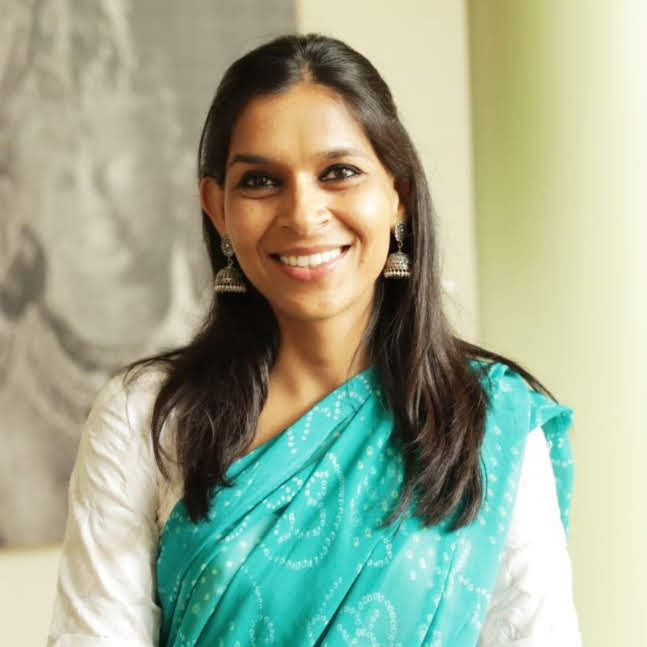
Executive Director
Ruchi Gupta
Columnist; Aspen Global Leadership Fellow; former McKinsey consultant
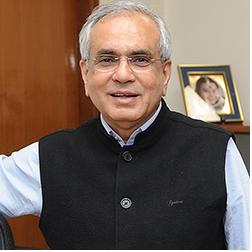
Advisor
Dr. Rajiv Kumar
Chairman, Pahle India Foundation; Former Vice Chairman, NITI Aayog
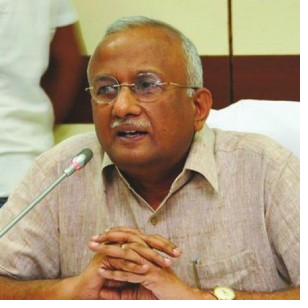
Advisor
S.M. Vijayanand
Co-Founder, CRISP; Former Secretary, Panchayati Raj & Rural Development, Government of India
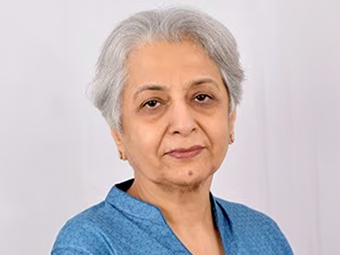
Advisor
Prof. Niraja Gopal Jayal
Avantha Chair, King's College London
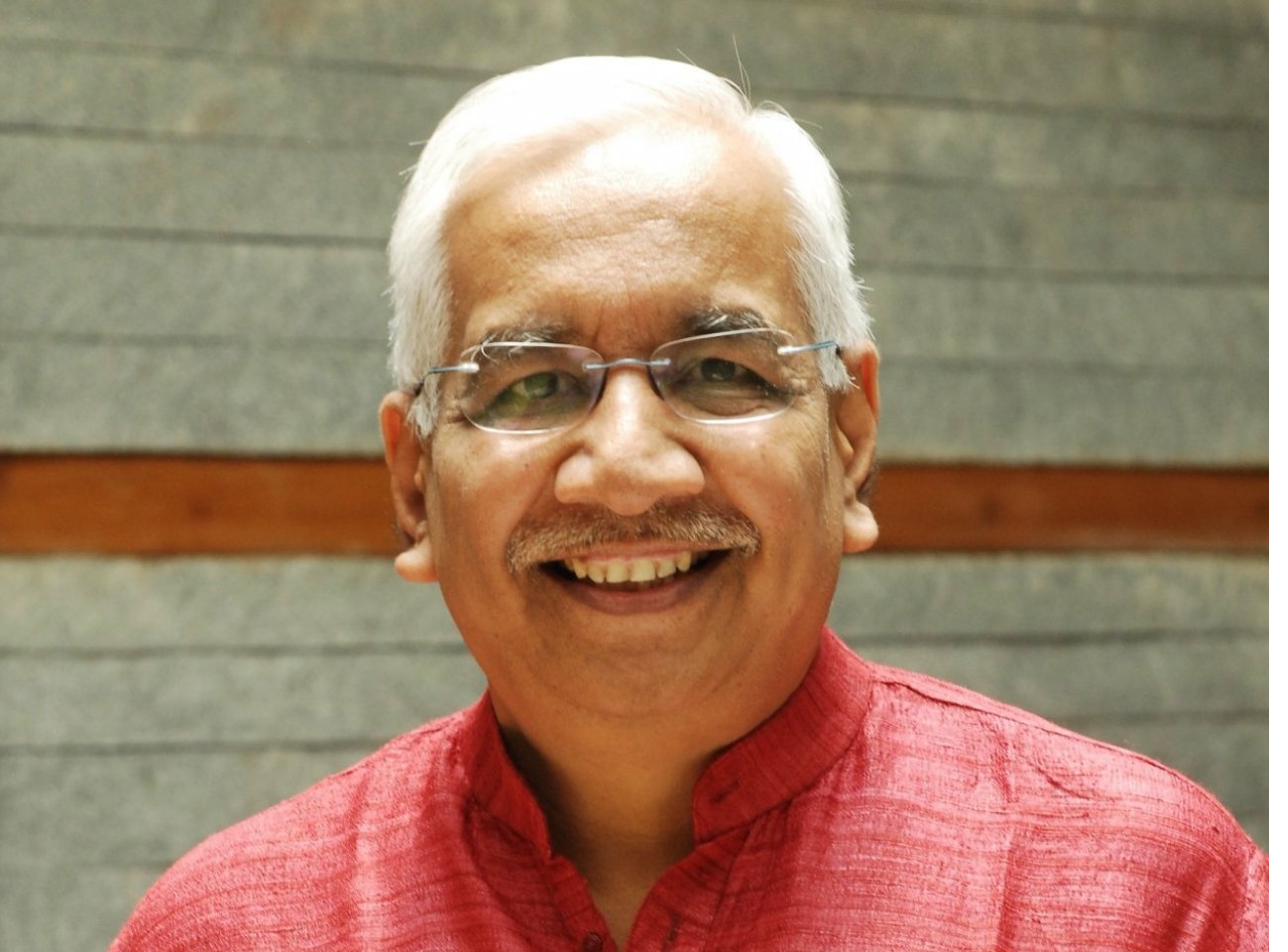
Advisor
V. Ravichandar
Former Honorary Director, Bangalore International Centre
Ruchi Gupta is the Executive Director of the Future of India Foundation. Over nearly two decades, she has worked across politics, public policy, and institution-building, linking democratic accountability to youth opportunity.
Earlier, Ruchi led the world's largest progressive student and youth organisation, with more than 40 lakh registered members. In 2016, she played a key role in a rare parliamentary milestone in the Rajya Sabha: the adoption of an amendment to the President's Address, only the fifth such instance in independent India's history, defending the right of all citizens to contest local elections.
A former McKinsey consultant and Aspen Global Leadership Fellow, Ruchi has published more than 150 columns on political economy, democratic reform, and technology across leading Indian publications. Her collated writings are on her Substack, rgupta.substack.com.